

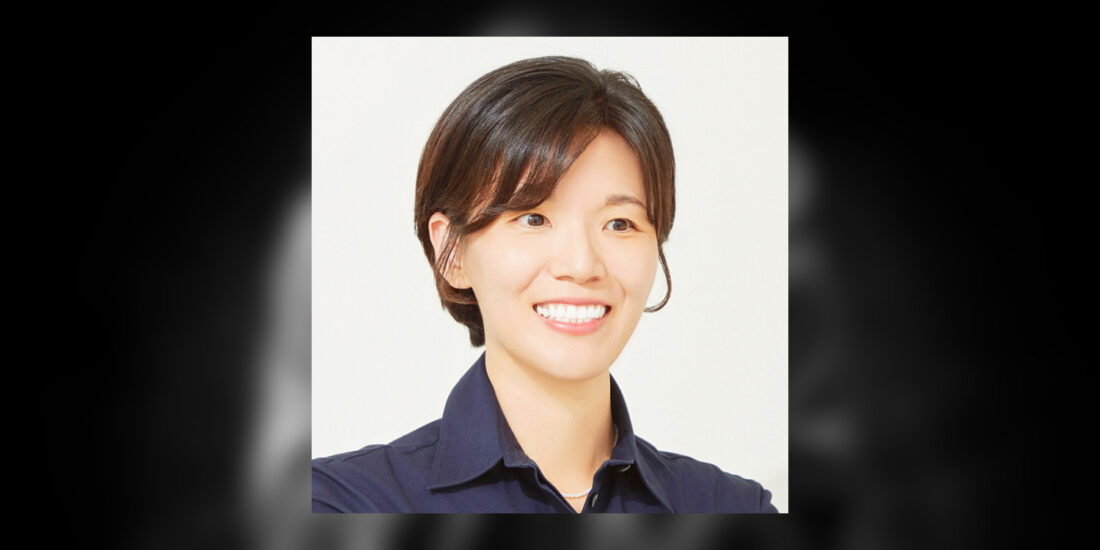
Seoyoun Kim, Director of the NACDA Program on Aging, has joined The 12th Asian Conference on Education & International Development (ACEID2026), The 16th Asian Conference on Psychology & the Behavioral Sciences (ACP2026), and The 12th Asian Conference on Aging & Gerontology (AGen2026) panel titled ‘Understanding Cognitive Impairment: Placing Dementia Within a Realistic Framework’.
Dr Kim’s research lies at the intersection of social gerontology, epidemiology, multi-omics, and cardiovascular health, and explores how social and environmental factors shape health outcomes, particularly in ageing populations. She will be joining Dr James W. McNally of the University of Michigan, United States, and Lowell Sheppard, IAFOR & Never Too Late Academy, Japan on the featured panel.
To participate in ACEID/ACP/AGen2026 as an audience member, please register for the conference via the conference website.
The panel presentation will also be available for IAFOR Members to view online. To find out more, please visit the IAFOR Membership page.
Speaker Biography
Seoyoun Kim
University of Michigan & NACDA Program on Aging, United States
 Dr Seoyoun Kim is affiliated with ICPSR and the Population Studies Center at the Institute for Social Research within the University of Michigan, United States She is also the director of the NACDA Program on Aging. She holds a dual-title PhD in Sociology and Gerontology from Purdue University, United States. Her research lies at the intersection of social gerontology, epidemiology, multi-omics, and cardiovascular health. Dr Kim explores how social and environmental factors shape health outcomes, particularly in ageing populations. She examines the impact of paid and unpaid productive engagement on the well-being of older adults, shedding light on the social determinants of health in later life. Her research also integrates multi-omics approaches to unravel the complex interactions between genetic, epigenetic, and environmental influences on health and ageing.

Abstract
Understanding Cognitive Impairment: Placing Dementia Within a Realistic Framework
The Diagnostic and Statistical Manual of Mental Disorders, 5th Edition (DSM-5) updated the definition of dementia in May 2013, during the American Psychiatric Association's annual meeting in San Francisco. ‘Major neurocognitive disorder’ (MND) replaced the term ‘dementia’ in order to reduce stigma and to focus on the decline from a previous level of functioning rather than the deficit. The DSM-5 also allowed for the inclusion of dementias where other cognitive domains were affected first, such as in vascular or frontotemporal dementia. Unfortunately, the redefinition of dementia to MND allowed a broad reinterpretation of risks associated with ‘dementia’ to emerge in the research literature, often incorporating chronic health conditions or sensory disabilities as predictors of future dementia. Based upon these loose interpretations, recent estimates suggest that 40 percent or more of the current world's population will have dementia in the coming decades. This panel will place definitions of MND within the framework of a progressive neurological disease and ways we can intelligently address the needs of individuals facing cognitive impairment.
